How to Heal Hand Rips Fast: A Calisthenics Athlete's Guide
Hand rips are killing your progress. Here's the elite protocol to prevent, treat, and train through them.

TABLE OF CONTENTS
1. The Anatomy of a Rip: Know Your Enemy
1.1. What a Rip Really Is
You’ve been there. Deep in a session, the burn is real, you’re on the edge of a breakthrough on a skill you’ve chased for months. Then, BAM. A searing, sharp pain. Your hand rips, and you know instantly the session is compromised. This isn't just a nuisance; it's an open wound that demands respect.
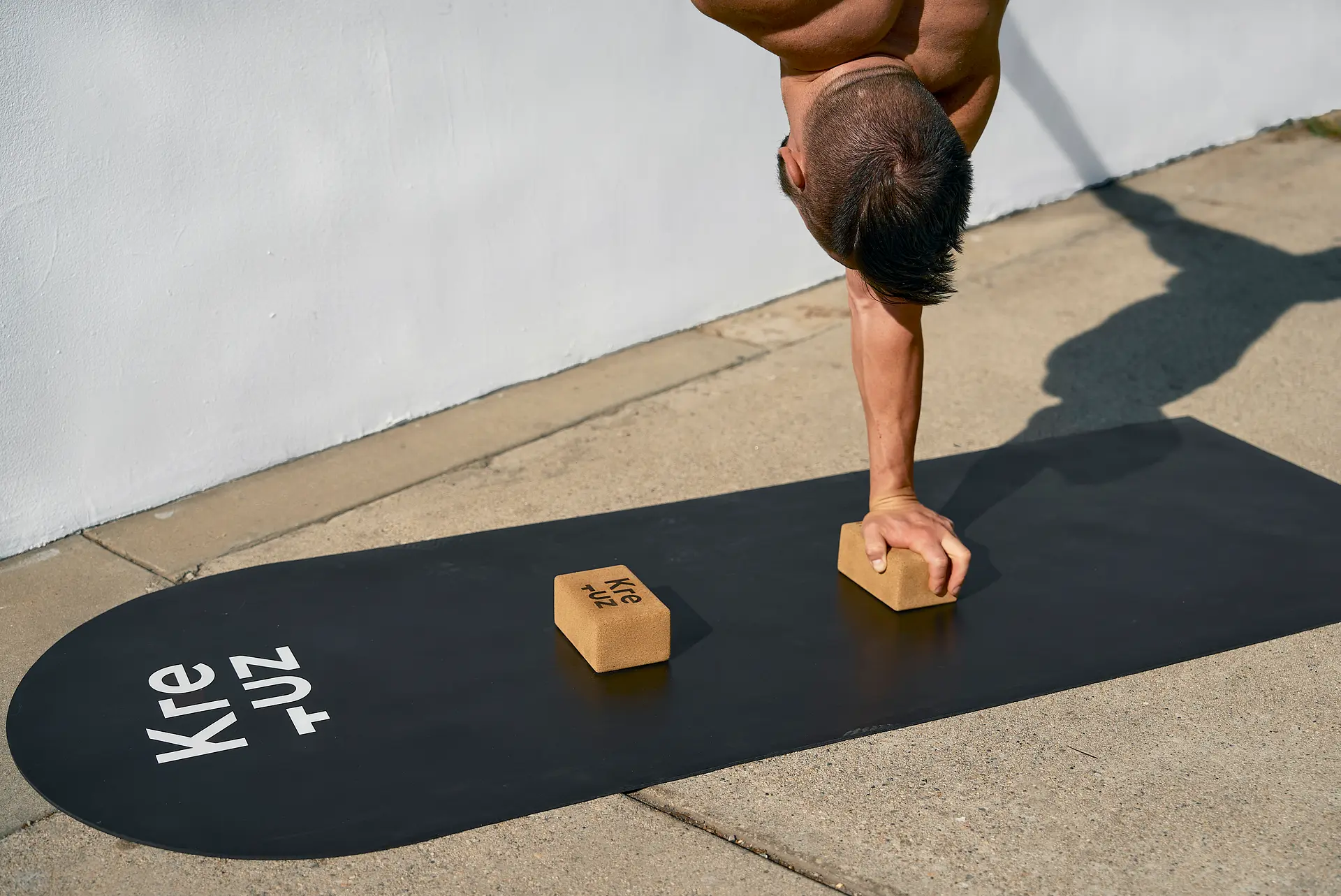
A rip is a friction blister that has torn open, shearing the top layer of skin away from the blood-rich layers beneath. It creates a painful, raw wound that can get infected if ignored. While common in dynamic bar work like the Muscle Up or Front Lever pulls, rips can happen anywhere Friction is a factor—even during Handstand work on blocks or heavy lifting. Understanding this mechanism is the first step to conquering it. We don't just accept injuries; we analyze them, dismantle their causes, and build protocols to dominate them.
1.2. Why Your Hands Are Ripping
Rips are not a badge of honor; they're a sign of a breakdown. A breakdown in technique, preparation, or Work Capacity. For the novice, it's often a death grip. Squeezing the bar too hard, preventing the natural, subtle slide of the hand, creates immense shearing force. Poor form and inefficient Movement Patterns are massive contributors. As you advance, your technique becomes more refined, your ability to feather the grip and absorb impact improves, and your [c]Proprioception[/e] allows you to feel a hot spot developing long before it tears.
For the seasoned athlete, the enemy changes. It’s often a case of poorly managed calluses or simply pushing volume too hard, too fast. Calluses are your body's natural armor, but left unchecked, they become thick, dry, and brittle—a perfect ledge for the skin to catch and tear. Your journey to elite skills will test your skin's limits. The key is recognizing the warning signs and having the discipline to adjust, not just push through.
2. Fortify Your Hands: The Ultimate Prevention Protocol
2.1. Master Your Hand Care Routine
Prevention is not a passive activity; it is an aggressive, daily strategy. The single best piece of advice I ever received was to treat hand care with the same seriousness as my training. It’s a non-negotiable ritual.
- Post-Workout: Wash your hands with soap and water immediately after every session. This removes chalk, sweat, and grime that can dry out your skin.
- Nightly Ritual: This is where the real work happens. Soak your hands in warm water for 5-10 minutes. This softens the calluses, making them pliable. Then, take a pumice stone and gently file them down. The goal is not to eliminate the calluses—they are your protection. The goal is Callus Management: to smooth the edges and reduce the thickness, preventing ledges from forming. You want to remove the dead, white-looking skin, but stop before you hit sensitive, pink skin. Don't overdo it. Afterwards, apply a thick, high-quality lotion or balm. Skin Hydration is paramount. Well-hydrated skin is pliable and resilient; dry skin is brittle and prone to cracking.
2.2. Know Your Limits and Train Smarter
Most rips are simple, brutal math: too much volume. I know the temptation to push for one more set, one more rep. But a few less attempts today is infinitely better than two weeks of no training tomorrow. This is about discipline. It's about training with intensity and focus, not just endless volume. Make every set count. Pay attention to your hands during your workout. If you feel a hot spot forming, it's a signal. Either call it a day on that movement or switch to a different exercise. True Progressive Overload is intelligent and sustainable, not a fast track to injury.
2.3. Use Protection Wisely
Tools can be an asset, but only if you understand their purpose.
- Grips: Gymnastic grips are used for a reason. They reduce direct Friction on the skin and can improve your hold on the bar or rings, allowing for more volume and higher intensity. They take time to break in and get used to, but they are a worthy investment for any serious bar athlete.
- Chalk: Quality magnesium carbonate is your friend. It improves your grip by absorbing moisture, which means you don't have to squeeze as hard. A lighter, more controlled grip directly translates to less Friction and a lower chance of ripping. Avoid chalk with drying agents or other additives that can trash your skin.
- Gloves: For certain strength-based drills, lifting gloves can be a viable option. While they can sometimes bunch up and interfere with the feel of the bar, for heavy, static work, they can offer significant protection.
3. Damage Control: A Step-by-Step Healing Blueprint
3.1. The First 24 Hours: Triage and Treatment
Once the rip happens, the clock starts. Your actions in the first 24 hours will dictate whether this is a minor setback or a multi-week recovery. Treat this like a serious wound, not a scratch.
1. Clean the Wound: Using sterilized nail scissors or a razor, carefully trim away any loose, dead skin. You want to create a smooth surface with no flaps that can catch and tear further. This will sting, but it's a critical step.
2. Wash Thoroughly: Wash the area with warm water and a gentle, non-perfumed soap. Pat it dry carefully with a clean towel.
3. Apply Ointment: Cover the wound with an antibiotic ointment like Neosporin or a natural alternative. Some people, myself included, can have a mild allergic reaction to Neosporin (redness, itching), so if you notice this, stop immediately and switch to something like a Vitamin E-based ointment or simple Vaseline. The goal is to create a barrier against infection and, most importantly, to keep the wound moist.
4. Let It Breathe, But Keep It Moist: A fresh rip needs to be kept moist to prevent it from drying, cracking, and deepening. Reapply your ointment whenever it starts to feel dry. Before bed, apply a generous layer and cover it lightly with a bandage or piece of gauze to avoid getting ointment on your sheets. A dry rip is a painful rip.
3.2. The Healing Phase: Promoting New Skin Growth
For the next 3-5 days, your mission is to keep the wound clean and moisturized. A cracked, dry rip will split open with the slightest movement, setting your recovery back to day zero.
- Vitamin E & Tea Bags: These are two old-school remedies that have real merit. Vitamin E is an anti-inflammatory agent that can support skin health and elasticity. You can apply it directly from a capsule. Tea bags contain tannic acid, which helps soothe inflammation and protect the skin. Brew a cup of black tea, let the bag cool, and apply it directly to the wound for 10-15 minutes. It’s surprisingly effective at reducing pain.
- The Stretch Heal: One pro tip is to force the hand to heal in a stretched, open position. You can tape a chopstick or spoon to the back of your hand and fingers at night to prevent it from clenching into a fist. This way, when you first open your hand in the morning, the new, fragile skin is less likely to tear open.
4. The Comeback: Training Through the Trenches
4.1. How to Tape a Rip for Training
There will be times when you need to train with a rip, especially leading up to a competition. Proper taping is an art form, and it's essential for protecting the wound while you work. The golden rule: never place the sticky side of the tape directly on the open rip.
1. Create a small, non-stick patch. You can do this by taking a small piece of athletic tape and folding it over on itself so there's no sticky side exposed.
2. Place this patch directly over the rip.
3. Use a larger piece of tape to anchor this patch down, wrapping it around the back of your hand. You may need a partner to help you get it secure without wrinkles. The tape should be snug, but not so tight that it cuts off circulation.
4. After training, immediately remove the tape, wash your hands thoroughly, and reapply your healing ointment. Don't leave a sweaty, dirty bandage on your wound.
4.2. Dealing with Pain and Adjusting Your Training
Pain is a signal. Listen to it. Icing your hands after a workout can be a game-changer for managing pain and inflammation. It will also stimulate blood flow, which aids the healing process.
For the first day or two after a rip, you must adjust your training. This might mean avoiding bar work entirely and focusing on floor-based skills, conditioning, or Flexibility. This isn't a sign of weakness; it's a sign of a smart athlete playing the long game. Learning to train around an injury without making it worse is a critical skill in itself.
5. Own Your Hands, Own Your Training
Your hands are your direct connection to every skill you perform. They are not disposable. Blisters and rips are not inevitable rites of passage; they are preventable events that signal a flaw in your preparation, technique, or programming. By implementing a rigorous hand care routine, managing your calluses, and treating injuries with the respect they deserve, you turn a potential liability into a source of strength.
Your hands tell the story of your work ethic and your attention to detail. Make sure they tell a story of smart, relentless, and resilient training. Build them into armor. The power to stay in the game, to push through plateaus, and to protect your progress is, quite literally, in your hands.
Get to work.