The Deload Week Myth: Why You Probably Don't Need One
Everyone talks about deload weeks, but are they sabotaging your gains? Here's the brutal truth.

TABLE OF CONTENTS
1. The Deload Myth: What, Why, and When
1.1. What a Deload Really Is
Let's cut through the noise. A Deload Week is a scheduled period, typically a week, where you intentionally reduce training stress. It’s a tool sharp-tongued coaches love to program because it makes a workout schedule look sophisticated and serious. But is it necessary? For most of us, the brutal truth is no. The concept was born in the trenches of elite strength sports—Olympic weightlifting, powerlifting, bodybuilding—where athletes push their bodies to the absolute brink. The idea is simple: you dial back either the intensity (how hard you train) or the volume (how many sets and reps you perform). This isn't about being lazy; it's a strategic retreat to manage crippling levels of fatigue that you, most likely, are not accumulating.
1.2. The Science of Fatigue and Recovery
Training doesn't make you stronger. Recovery does. When you train, you create micro-tears in your muscles and accumulate fatigue. Your fitness level rises, but so does your fatigue level, masking your true strength. Think of it as a fog of war. As you rest and recover, that fatigue dissipates and your newfound fitness gets to shine. The problem, for a very small percentage of athletes, is that a single rest day isn't enough to fully recover from relentless, high-intensity sessions. They might only recover to 99%, losing 1% each time. Over weeks, this deficit adds up. This is Accumulated Fatigue. You sleep poorly, your motivation tanks, and you can't push hard. The deload is designed to be a system reset, a chance for your body—and mind—to fully recover and pay back that 1% debt. It's for your muscles, your joints, and your will to dominate.
1.3. The Evidence: Does It Actually Work?
Plenty of studies support the idea of deloading for professional, seasonal athletes. It makes sense; their entire life is structured around periods of peak performance followed by off-seasons. But what about the rest of us? The science is far from settled. In fact, multiple studies show that for the average gym-goer, the group that deloads makes similar gains to the group that doesn't. Let me repeat that: less work didn't equal more gains. It equaled the same gains. So I ask you, why intentionally train less if you don't have to? The hype has outpaced the reality. It's a tool for the 1%, not the 99%.
2. The Brutal Honesty: Why You Don't Need a Deload
2.1. You Train Skills, Not Just Brute Strength
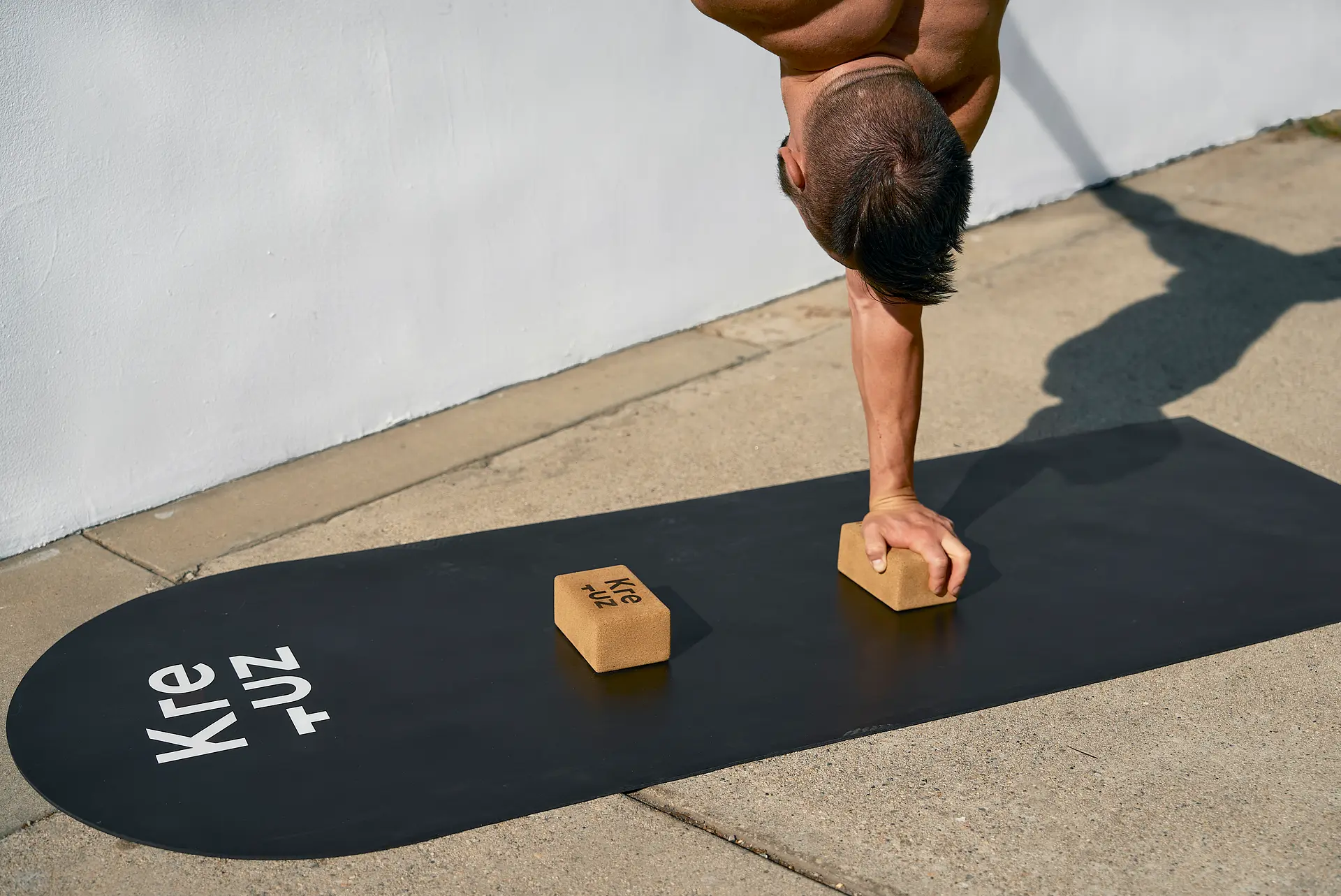
Most people who follow this methodology aren't just lifting heavy things. You're mastering skills: the Handstand, the Planche, the Front Lever. These are highly technical disciplines. You might spend weeks on the same set of drills, grinding away to perfect a tiny detail in your Technique. This period of refinement is a natural deload. Your intensity is inherently lower because you can't go harder until you get better. Then, you have a breakthrough, you unlock a new progression like the Tuck Planche or a One Arm Handstand variation, and the intensity ramps up again. Your training ebbs and flows naturally. Your progress isn't just limited by raw Straight Arm Strength; it's limited by Coordination and Proprioception. You simply can't train hard enough, consistently enough, to justify a scheduled, artificial deload.
2.2. Your Life Is Already a Deload
Let's be brutally honest with ourselves. How consistent are you, really? Have you hit every single planned workout for the last eight weeks without fail? The reality is, you're not a professional athlete. You have a job. A family. A life. And sometimes, that life is more important than your workout. A busy week at work, a family vacation, a sick day—these things happen. You skip a workout. The sessions before and after are a bit shorter or less intense. Congratulations, you've just had an organic deload week. For most of us, the challenge isn't deloading; it's staying consistent. Life provides plenty of deloads. Your job is to show up for the work.
2.3. You're a Beginner (and That's Okay)
When you first start training, you don't know how to truly push. Training with high intensity is a skill in itself, one that must be learned and practiced over years. In your first one to two years of training, the pressure you can place on your muscles and joints is relatively low. You are building foundational Movement Patterns, improving your Mind-Muscle Connection, and making rapid Neural Adaptation gains. The systemic fatigue that requires a deload just isn't a factor yet. Your primary focus should be on consistency and mastering form, not on planning preemptive rest weeks. Worrying about deloading as a beginner is like worrying about what color to paint your mansion when you haven't even laid the foundation.
3. A Smarter Approach: Intelligent Recovery Protocols
3.1. Traditional Deloads for the Dedicated Few
If you are that rare athlete who trains with monastic consistency and brutal intensity, then a deload might be a valid tool. For those focused on pure strength goals, like a heavy weighted Pull-Up or a deep Handstand Push Up, here are the old-school methods:
- The Full Week Off: The least recommended option. You often feel physically worse after, but sometimes the mind needs a complete break. Use this sparingly, perhaps during a vacation or an unavoidable work trip.
- The Less Volume Week: Simple and effective. Keep your main lifts, but cut out the accessory work. No Triceps Extensions or Bicep Curls. You're in and out of the gym faster, focusing only on what matters most.
- The Standard Deload: This is the classic approach. Drop your overall volume by 30-50% (fewer sets) and reduce intensity by about 20% (leave 2-4 reps in the tank on every set). You stay sharp, your movement patterns stay fresh, and you actively recover.
3.2. The Modern Calisthenics Deload
For gymnastics-based training, we need a smarter, more nuanced approach. Strength is only one piece of the puzzle. Forget taking a week off. Instead, redefine what a deload means.
- The Technique Week: This is the gold standard. Cut out all heavy conditioning. Reduce set and rep counts. Dedicate 80% of your training time to rehab, prehab, and deep technical analysis. Film yourself. Watch it back. Work on Scapular Control or Core Stability in your Hollow Body position. This week is easier on the joints but brutally demanding on the mind. You'll come back sharper, more efficient, and ready to smash plateaus.
- The Deload Workout: Instead of a deload week, schedule a deload day. If you train five times a week, make the Wednesday session your lighter day. Focus on Active Flexibility, light skill work, and Mobility. For skills like the Handstand, frequency is king. This approach allows you to train more often while still managing fatigue intelligently.
3.3. Boost Everyday Recovery
Instead of waiting for burnout, build a fortress of recovery habits. This is how you minimize the need for deloads in the first place. Prioritize 7-9 hours of quality sleep. Hydrate relentlessly. Fuel your body with high-quality nutrition. Consider practices like Cold Therapy after particularly grueling sessions to manage Inflammation. A powerful recovery strategy is a better investment than a scheduled week of mediocrity.
4. The Verdict: Train, Recover, Dominate
Let's be clear. The deload week is a specific tool for a specific type of elite athlete pushing the absolute limits of human performance. For the vast majority of us, it's an over-hyped, misunderstood concept that can do more harm to our consistency and momentum than good. Your life, with its inherent chaos and responsibilities, already provides the breaks you need.
Your focus shouldn't be on scheduling rest. It should be on building a training life that is sustainable and intelligent. Embrace The Technique Week to refine your skills. Use The Deload Workout to manage weekly fatigue. Build an ironclad daily Recovery protocol. Stop looking for excuses to train less and start finding ways to train smarter. Analyze your progress, listen to the real signals your body sends—not just general soreness—and be honest about your consistency.
Stop outsourcing your thinking to a rigid, outdated schedule. Take ownership of your training. Be an athlete in your approach, not just in your aspirations.
Get to work.