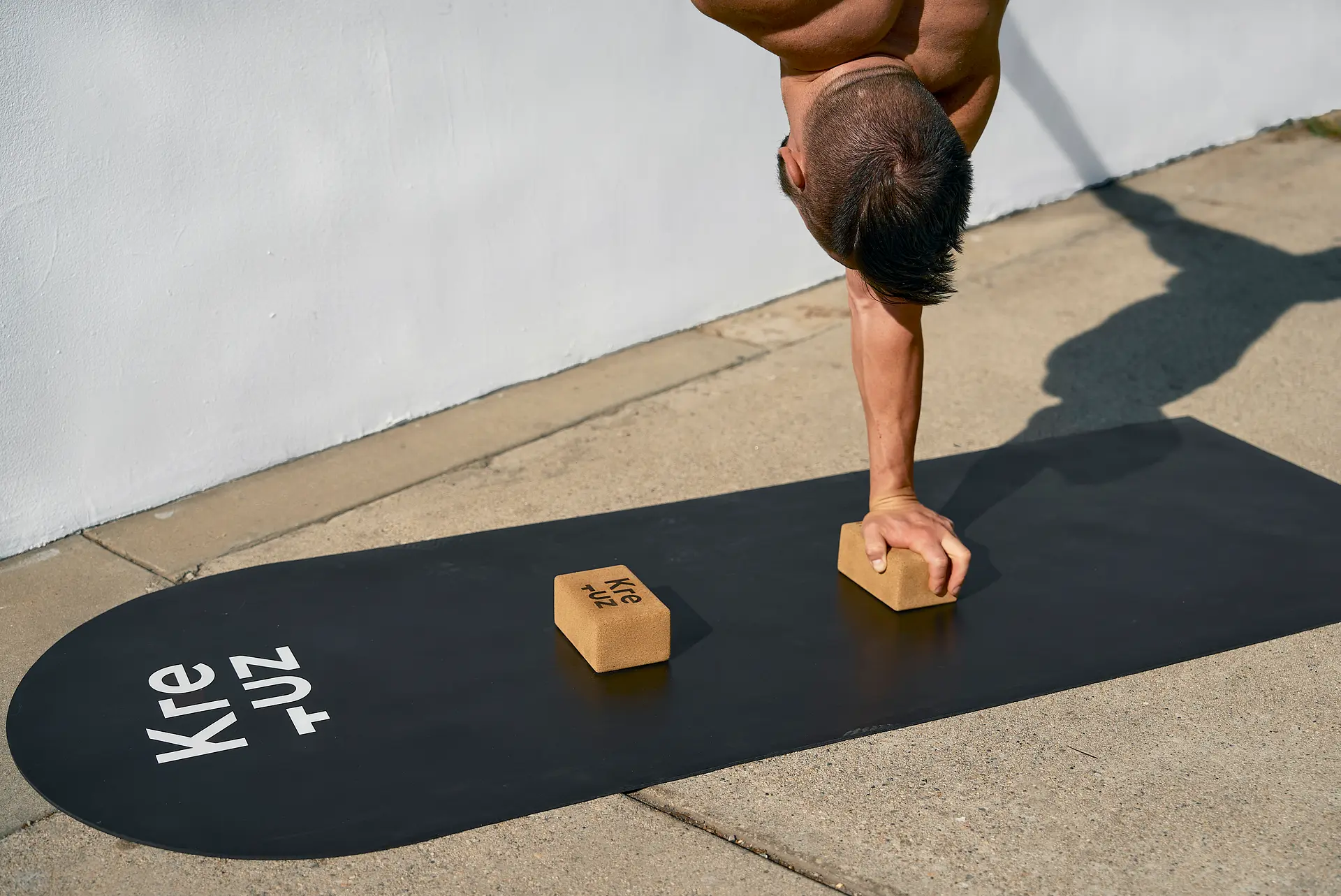
Master The Handstand In Just 15 Minutes A Day
No time for a 90-minute handstand workout? Good. Here’s how to make more progress in just 15 minutes.

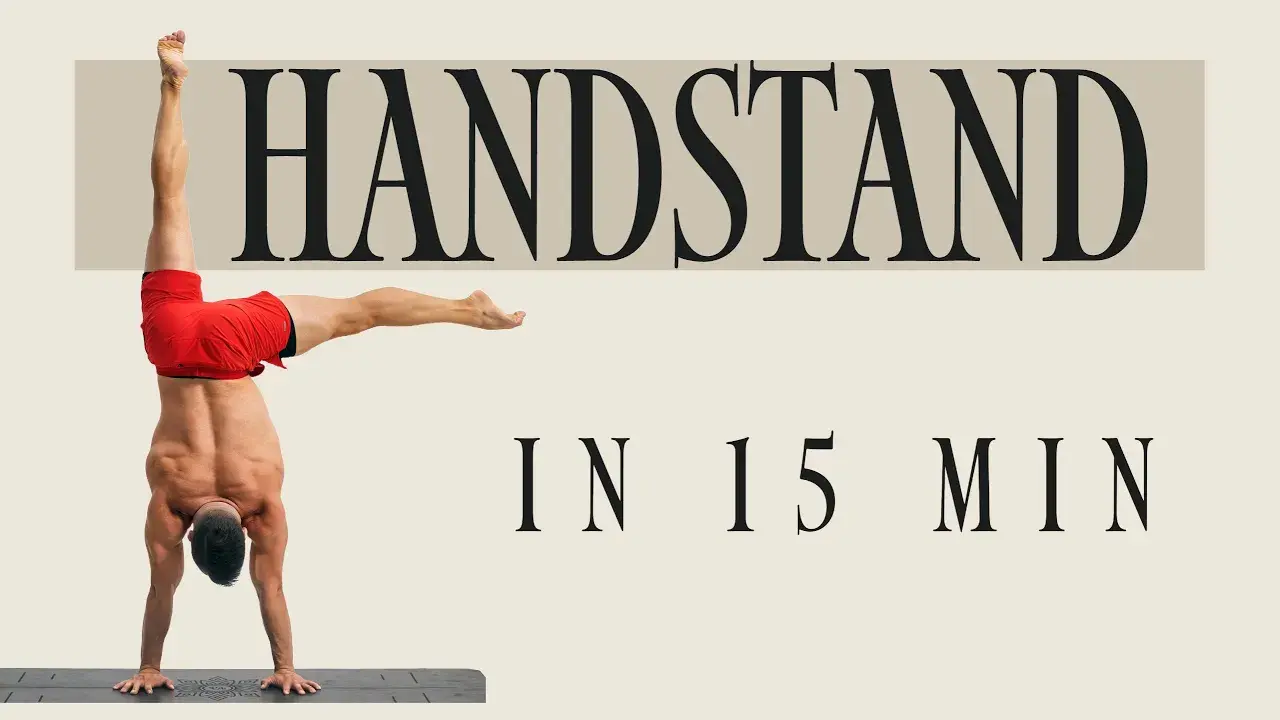
15 Min Handstand Workout Collection:
TABLE OF CONTENTS
1. The 15-Minute Handstand Paradox: Is It Right for You?
Traditional handstand workouts are brutal. They’re long, packed with volume, and demand a level of commitment that most busy lives simply can’t accommodate. We’re told that 60-90 minutes of daily devotion is the only path. But what if that’s a lie? What if the key to unlocking your handstand isn’t more time, but more focus? The question isn't just if you can get good at Handstands training only 15 minutes a day—it’s whether this hyper-focused approach is the exact weapon you need right now. Let’s cut through the noise. This method isn't for everyone, but for a specific type of athlete, it’s a game-changer.
1.1. When Time and Energy Are Your Most Precious Assets
Let’s be blunt: doing anything is better than doing nothing. Your day is a warzone of responsibilities—work, family, life. By the end of it, you’re exhausted. The idea of dragging yourself to a two-hour gym session is a fantasy. But 15 minutes? That’s not a workout; it’s a surgical strike. It’s a commitment you can honor anywhere, any day, under any circumstances. It's the perfect counter-balance to a chaotic week, ensuring your Handstand improves, your mind stays sharp, and you maintain momentum. Remember, not every session has to be a 15-minute sprint. You can mix these focused blasts with longer workouts on days when you have more fuel in the tank. This is about being smart, not just working hard.
1.2. When the Handstand is a Tool, Not the Mission
Many athletes I coach have other primary goals. The handstand is a powerful supplementary skill, a tool to enhance their main discipline, or simply a cool feat of strength they want to conquer. If this is you, spending the bulk of your energy on handstands is counter-productive. It drains your Work Capacity for what truly matters. By adding a focused 15-minute daily session, you can acquire the Handstand in the background, making consistent progress without derailing your main athletic mission. It becomes a bonus, not a burden.
1.3. Breaking Through Frustration and Plateaus
Handstand progress is not a straight line. It’s a chaotic scribble of massive gains followed by weeks where it feels like you're moving backward. The frustration is real, and it’s tempting to quit. This is where a 15-minute session becomes a strategic retreat. Instead of banging your head against the wall, you take a step back. Pick a few drills that are difficult but doable, and for the next few weeks, invest just 15 minutes a day touching base with them. You’ll be shocked at the result. Without the pressure of a long workout, your body and mind absorb the Movement Pattern. Skills that felt impossible suddenly become easy because you’ve built consistency through frequency, not brute force.
1.4. For the Handstand Skeptic
Not everyone has to be obsessed with Handstands. I get it. I used to fake injuries in gym class to avoid them. If you’re in that camp but recognize the benefits—the shoulder stability, the Core Stability, the raw carryover to other skills—then 15 minutes is your perfect dose of medicine. You can withstand anything for 15 minutes. Bite the bullet, do the work, and reap the rewards. You've earned the right to stand out. And who knows, you might just get addicted.
2. The Unavoidable Trade-Offs: Downsides of Abbreviated Training
Before you close this browser and commit to 15-minute sessions for life, let's inject a dose of reality. I’m not here to trick you into believing these turbo workouts are a magic pill. They are a tool, and like any tool, they have limitations. Ignoring the downsides is not just foolish, it's dangerous. Know the price you're paying.
2.1. Slower Progress on the Macro Scale
There's a simple, brutal equation in skill acquisition: Time Spent = Results Harvested. The more quality time you spend upside down, the faster your brain adapts and the better you get. Shorter workouts mean less total time under tension, which means your path to a freestanding Handstand will objectively be longer. Your brain needs exposure to normalize being inverted; 15 minutes a day slows down that exposure. It's a trade-off: higher frequency for slower overall progression.
2.2. The Advanced Skill Bottleneck
Fifteen minutes is enough to build a rock-solid Wall Handstand or even a basic freestanding Handstand. But skills like the One Arm Handstand or a clean Press to Handstand? That’s a different universe. These advanced skills demand advanced preparation. A seasoned athlete uses easier progressions like the Tuck Handstand or Straddle Handstand to warm up their Proprioception and fine-tune their Mind-Muscle Connection. A 15-minute window might close before you’re even properly warmed up to attempt the hard stuff.
2.3. The Peril of Insufficient Volume
The most glaring issue with short workouts is the lack of volume. You have a limited number of sets to address a wide range of goals: strength, balance, endurance, prehab. A common approach is to cycle exercises, hitting a different skill each day. This works for a while, but once you reach a certain level, it fails. Advanced skills demand higher frequency per skill. You can’t master a One Arm Handstand by touching it once a week. The principle of Specificity is unforgiving.
2.4. The Hidden Risk of Injury
Less time often means a rushed warm-up, and a rushed warm-up is an invitation for injury. While Hand Balance training is relatively safe, skimping on prehab is a recipe for chronic wrist pain and shoulder impingement. You must be disciplined. Even in a 15-minute session, a calculated amount of time must be dedicated to wrist mobilization and Scapular Elevation drills. Furthermore, these short sessions don't build a balanced physique. If this is your only training, you will develop imbalances. Consider this a supplement, not a replacement for comprehensive fitness.
3. Weaponizing Your 15 Minutes: A Blueprint for Maximum Efficiency
If you’ve weighed the pros and cons and decided that short, focused handstand sessions are your path forward, then every second counts. There is no room for error. Your workouts must be precise, planned, and executed with ruthless efficiency.
3.1. Strategic Weekly Programming
Think big picture. Stop planning day-by-day and start planning week-by-week. First, write down your ideal, full-length workout. Now, strip away the warm-up and cool-down, leaving only the core technical work. This is your weekly target. Divide this technical block into 3-5 micro-sessions. For example, Monday might be wall-facing drills, Tuesday is balance work, and Wednesday focuses on entry consistency. You must also cycle your prehab. Don't just warm up for the session ahead; warm up for your long-term health. Your 2-3 prehab sets per workout must be structured to hit all stabilizing muscles with at least two different exercises per week.
3.2. Zero Distractions, Total Focus
When that 15-minute timer starts, it is game time. This is non-negotiable. Your workout should be memorized. Your equipment should be ready. And most importantly, your phone needs to be in another room. Fifteen minutes is a blink of an eye. Do not allow a single second to be stolen by distractions. This intense focus is what turns a short session into a powerful one. It elevates the quality of every single rep, maximizing Neural Adaptation and skill acquisition.
3.3. Leverage Frequency and Consistency
A 15-minute workout can, and should, be done 5-6 times per week. This is your superpower. While other athletes train twice a week, you are on your hands almost every single day. This high frequency creates a massive advantage, accelerating your Proprioception and making the handstand feel more natural, more quickly. This relentless consistency can give you an edge over athletes spending twice as long in the gym but only half as often. This is how you beat the odds.
4. The Verdict: Integrate, Don't Isolate
Fifteen minutes a day is not a magic bullet, but it is a powerful tool. It’s a way to forge progress amidst the chaos of a busy life, to break through plateaus, and to build the unshakable habit of consistency. Forging elite skills in such a short window requires your workouts to be meticulously planned and executed with zero compromise.
Ultimately, a lack of volume will eventually lead to a plateau, and you simply won't have time to work on anything but your one primary focus. This approach should not be a permanent way of life, nor should it be your only physical activity. View these 15-minute sessions as a strategic supplement, a temporary weapon to be deployed when life demands it. Integrate them into a balanced, intelligent training philosophy.
Now you have the blueprint. Stop making excuses.
Get to work.