Fix Your Handstand: Why 'Opening Your Shoulders' Is a Trap
Struggling with a 'banana back' handstand? Stop blindly stretching. The real fix for tight shoulders is not what you think. Here's the truth.
TABLE OF CONTENTS
1. The Myth of the "Perfectly Open" Shoulder
1.1. Deconstructing the Instagram Handstand
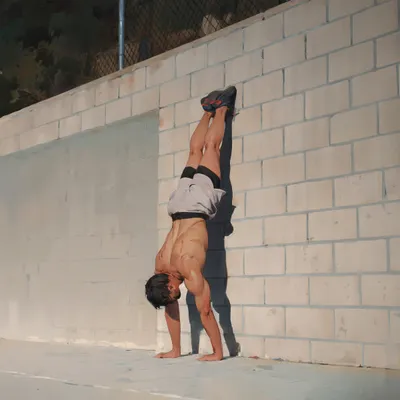
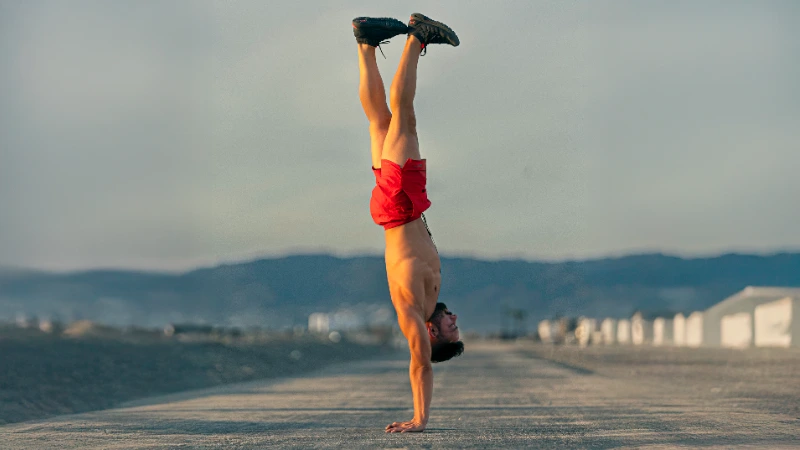
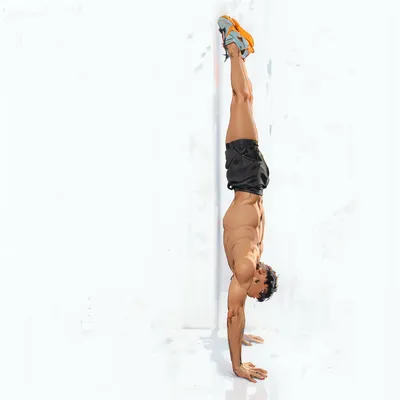
"I can’t open my shoulders." It’s the single most common reason I hear for why dedicated athletes give up on the Handstand. The frustration is real. You see the perfectly straight lines on social media and feel like you’re miles away. But here’s the truth the algorithm won’t tell you: chasing that picture-perfect, hyper-flexible shoulder line is not only unnecessary, it can be detrimental to your progress and health. Stiff shoulders often mean stronger, more resilient shoulders—a huge advantage in the fight for balance. Your battle is opening the shoulders, and that’s a noble fight to have. The goal isn't just to blindly wrench them open. It’s to achieve powerful Scapular Elevation.
1.2. Elevation Over Extension: The Real Key to Stability
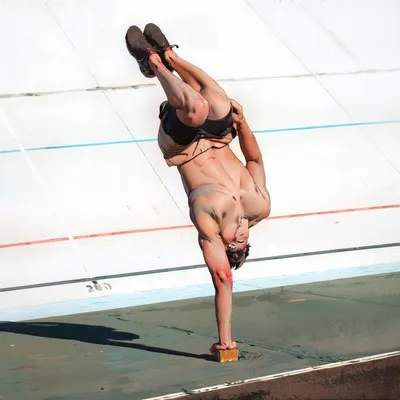
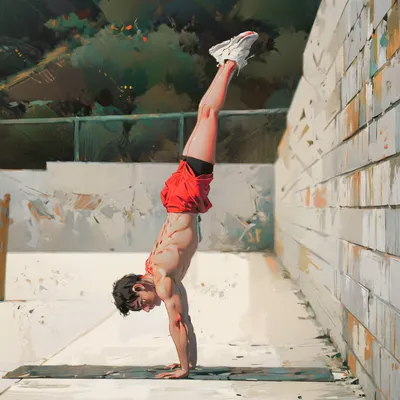
The foundation of a strong, healthy Handstand is not Shoulder Flexion; it's Scapular Elevation. This means actively pushing tall, shrugging your shoulders towards your ears, and creating a stable platform. This active push rotates your scapula, placing the shoulder joint in a much healthier, more powerful position. It protects you from the nagging pain and injuries that come from forcing a range of motion you don’t control. Look at elite gymnasts and professional hand balancers—many don't have a perfectly flat shoulder line. They prioritize pushing tall because they understand that a little bit of aesthetic compromise is worth a huge gain in control and stability. True Hand Balance is about creating a solid, stacked structure, not a fragile, hyper-mobile one.
2. The Dangers of Chasing the Wrong Goal
2.1. The Over-Opened Shoulder Trap
When the only goal is to “open the shoulders,” you inevitably open them too far. I see this constantly with self-taught athletes. They become obsessed with achieving maximum Shoulder Flexion without understanding the underlying Biomechanics. The result? A handstand where the shoulders are pushed past the wrists, creating an unstable position that's prone to arching and collapse. The entire Kinetic Chain is compromised. This over-extended position might look “open,” but it’s fragile, inefficient, and places immense stress on the joint. It's a classic case of winning the battle but losing the war. Your shoulders might be open, but your handstand is weak.
2.2. The Banana Back: A Symptom, Not the Cause
A closed shoulder angle is the root cause of the dreaded “banana back.” Your body is smart; if the shoulders can’t open to create a straight line, the lumbar spine will arch to compensate, trying to shift your Center of Mass back over your hands. Simply “engaging your abs” or trying to force a Posterior Pelvic Tilt won't fix this. It’s like putting a band-aid on a broken bone. The more you improve your active Scapular Elevation and usable Shoulder Flexion, the straighter your back will become naturally. The banana back is a symptom of poor shoulder positioning, and you must treat the cause, not just the symptom.
3. The Blueprint for Bulletproof Shoulders
3.1. The 80/20 Rule: Active vs. Passive Work
If you're struggling with tight shoulders, it’s time to get to work. But we must work smart. Your training needs to follow the 80/20 rule. Dedicate 80% of your time and energy to active drills. These are exercises that build awareness, coordination, and specific strength in the exact range of motion you need. Think Handstand Shoulder Shrugs, wall slides, and elevation drills. This is where you’ll see the fastest, most transferable results. It’s the work that builds a strong, controllable handstand.
3.2. The Role of Passive Stretching
The remaining 20% of your effort should go towards static, passive stretches. This is the long game. These stretches will gradually increase your passive Mobility over time, but for adults, significant changes can take 6-12 months. This is not a quick fix; it's a long-term investment in your joint health and potential. We are in this for the long haul, and two years of steady progress is a victory. The combination is key: passive stretching creates the potential for a new range of motion, and active drills give you the strength and Neural Adaptation to own and control that new range. Without the active work, passive flexibility is useless and potentially dangerous.
4. Your Path to a Straighter, Stronger Handstand
4.1. The 10-Week Commitment
This is your mission, should you choose to accept it: commit to this protocol three times a week for ten weeks. For the first few weeks, you might feel frustrated. You'll put in the work, but visible change might be slow. This is the critical period. Do not give up. Around week ten, something will click. Your shoulders will start to open up, you'll be able to push taller and feel more stable than ever before. The path will become clear. A lack of mobility should never be an excuse to stop training, but it must not be ignored. Your Scapular Elevation is a long-term project that will pay massive dividends.
4.2. Your Action Plan
This isn't about hope; it's about a plan. The journey to a powerful handstand line isn’t about chasing an aesthetic ideal you saw online. It’s about building a foundation of strength, control, and intelligent Mobility. It’s about understanding that Scapular Elevation is the true king of Hand Balance, not passive Shoulder Flexion. You now have the blueprint to fix the root cause of the banana back, to build bulletproof shoulders, and to forge a handstand that is not just straight, but undeniably strong. You have the knowledge and the strategy. Now, you must supply the consistency and the effort. Keep pushing, keep working, and trust the process. You will get there, one set at a time.
Get to work.